Post
The Ultimate Guide to Pilot Watches: History & Top Picks
Jun
Pilot Watches Explained: The Complete Guide for Watch Enthusiasts in 2026
Few categories in horology possess the same combination of history, functionality, and visual appeal as pilot watches. Originally designed as essential navigation tools for aviators, these watches have evolved from professional flight instruments into some of the most collectible and recognizable timepieces in the world. Today, pilot watches remain highly sought after for their exceptional legibility, rugged construction, military heritage, and timeless style.
Whether you are a first-time buyer, an aviation enthusiast, or an experienced collector, understanding the world of pilot watches can help you appreciate why they continue to occupy a special place in modern watchmaking.
This comprehensive guide explores the history of pilot watches, their defining characteristics, different movement types, buying considerations, maintenance practices, and the terminology every enthusiast should know.
The Fascinating History of Pilot Watches
The Birth of Aviation Timekeeping
The story of pilot watches begins during the earliest years of powered flight.
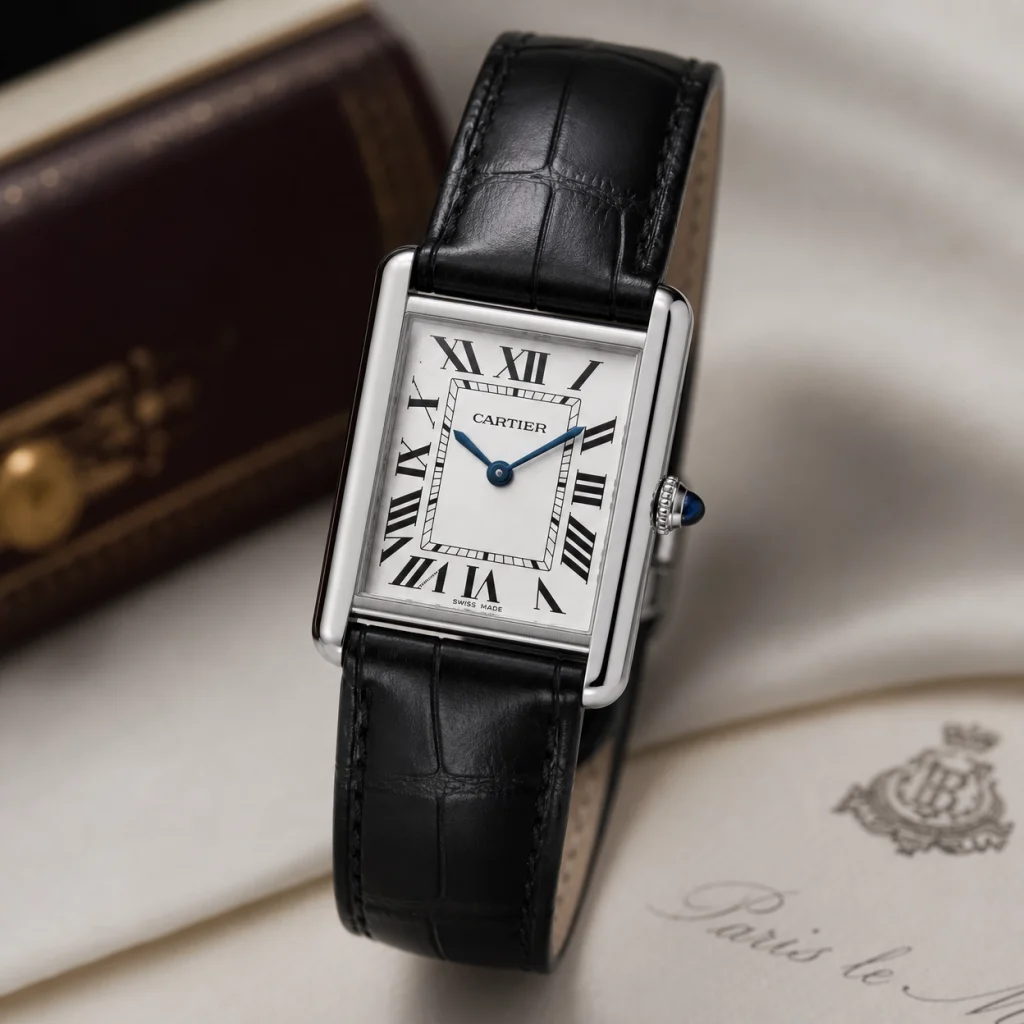
In 1904, Louis Cartier created a wristwatch for his close friend, Alberto Santos-Dumont. Santos-Dumont found it difficult and dangerous to retrieve a pocket watch while controlling an aircraft.
This challenge led to the creation of the legendary Cartier Santos, widely regarded as one of the first purpose-built aviation watches.
Military Influence During World War II
The development of pilot watches accelerated dramatically during the Second World War.
Military aviators required watches that could:
Be read instantly
Operate in extreme conditions
Function reliably during long missions
Assist with navigation calculations
This era introduced the famous “Flieger” design, characterized by:
Oversized cases
Matte black dials
Large luminous numerals
Exceptional readability
Many modern pilot watches still draw inspiration from these historic military designs.
What Makes Pilot Watches Unique?
Extreme Legibility
One defining characteristic of pilot watches is readability.
Pilots often operate in challenging conditions, including:
Bright sunlight
Low-light cockpits
Turbulent environments
High-stress situations
To address these challenges, pilot watches typically feature:
Large Arabic numerals
High-contrast dial designs
Bright luminous markers
Minimal dial clutter
The goal is simple: instant readability.
Large Cases
Historically, pilot watches were significantly larger than ordinary wristwatches.
Large cases offered several benefits:
Easier reading during flight
Enhanced visibility
Greater movement protection
Improved usability with gloves
While vintage military aviation watches sometimes exceeded 50mm, modern pilot watches are generally more wearable, typically ranging between 39mm and 45mm.
Oversized Crowns
Another hallmark of pilot watches is the oversized onion-style crown.
These crowns were designed so pilots could:
Wind watches while wearing gloves
Adjust time easily during missions
Operate controls quickly
Even today, oversized crowns remain an iconic design element within the pilot watch category.
Essential Features Found in Pilot Watches
Anti-Magnetic Protection
Aircraft cockpits contain numerous electronic and magnetic instruments.
Magnetism can negatively affect mechanical watch movements by causing timing inaccuracies.
To combat this issue, many pilot watches feature:
Soft iron inner cases
Anti-magnetic shielding
Specialized movement protection
This ensures reliable performance even in demanding environments.
Luminous Displays
Visibility is critical during nighttime flights.
For this reason, pilot watches often use advanced luminous materials such as:
Super-LumiNova
Tritium gas tubes
Proprietary luminous compounds
These materials allow the dial to remain visible in complete darkness.
Slide Rule Bezels
Some advanced pilot watches incorporate slide rule bezels.
These specialized tools can help calculate:
Fuel consumption
Ground speed
Flight time
Distance traveled
Unit conversions
Professional pilots once relied heavily on these features before digital navigation systems became commonplace.
Understanding Watch Movements
A movement, also called a caliber, serves as the engine inside a watch. Understanding movement types is essential when purchasing pilot watches.
Manual-Wind Mechanical Movements
Traditional Watchmaking at Its Finest
Manual-wind movements require the wearer to wind the crown regularly.
Advantages include:
Mechanical purity
Historical authenticity
Greater appreciation of craftsmanship
Strong collector appeal
Many enthusiasts enjoy the ritual of manually winding their watches every day.
Automatic Movements
Convenience Meets Tradition
Automatic movements add a weighted rotor that winds the mainspring through wrist movement.
Benefits include:
No daily winding required
Continuous operation
Mechanical charm
Everyday convenience
Today, many premium pilot watches utilize automatic movements because they combine practicality with traditional watchmaking values.
Quartz Movements
Precision and Reliability
Quartz movements use electronic regulation powered by a battery.
Advantages include:
Exceptional accuracy
Minimal maintenance
Affordable pricing
High durability
For active users seeking dependable pilot watches, quartz models often provide outstanding value.
Spring Drive Technology
A Revolutionary Hybrid System
Developed by Grand Seiko, Spring Drive technology combines mechanical power generation with quartz regulation.
Benefits include:
Incredible accuracy
Smooth seconds-hand motion
Mechanical energy storage
Exceptional reliability
This innovative system represents one of the most advanced movement technologies available today.
How to Choose the Right Pilot Watch
Establish a Realistic Budget
Before purchasing any watch, determine your budget.
Consider factors such as:
Initial purchase price
Maintenance costs
Service intervals
Insurance needs
Excellent pilot watches exist at virtually every price point.
Match the Watch to Your Lifestyle
Not all pilot watches serve the same purpose.
Ask yourself:
Will this be an everyday watch?
Do I need water resistance?
Will I wear it formally?
Is durability a priority?
Your intended use should heavily influence your decision.
Pilot Watch Buying Checklist
1. Verify Case Size
Always consider:
Diameter
Thickness
Lug-to-lug measurement
Proper proportions significantly improve comfort.
2. Check Water Resistance
Understanding water resistance is crucial.
General guidelines include:
30m: Splash resistant
50m: Everyday use
100m: Swimming capable
200m+: Serious water activities
Many modern pilot watches offer more water resistance than their historical counterparts.
3. Examine the Crystal Material
The crystal protects the dial.
Common options include:
Sapphire Crystal
Advantages:
Highly scratch resistant
Premium feel
Excellent durability
Mineral Crystal
Advantages:
Lower cost
Good impact resistance
Acrylic Crystal
Advantages:
Easy polishing
Vintage appearance
Strong impact tolerance
4. Evaluate Lume Performance
Nighttime readability remains essential for pilot watches.
Look for:
Brightness
Duration
Uniform application
Quality lume significantly improves usability.
5. Research Service Support
Before purchasing, investigate:
Warranty coverage
Service availability
Repair costs
Brand reputation
Strong after-sales support can greatly enhance ownership satisfaction.
Essential Pilot Watch Maintenance Tips
Proper care helps pilot watches remain accurate and attractive for decades.
Avoid Magnetic Exposure
Keep mechanical watches away from:
Speakers
Smartphones
Tablets
Laptop magnets
Electronic equipment
Magnetization can dramatically affect timekeeping accuracy.
Rinse After Swimming
If exposed to:
Saltwater
Chlorinated pools
Ocean environments
Always rinse your watch with fresh water afterward.
This simple habit helps preserve seals and external components.
Never Adjust the Date Near Midnight
Many mechanical watches have vulnerable date mechanisms during nighttime operation.
Avoid changing the date between:
9:00 PM
3:00 AM
Doing so may damage internal gears.
Ensure the Crown Is Secure
Before exposing pilot watches to moisture:
Push in the crown fully
Tighten screw-down crowns completely
This prevents water intrusion.
Follow Recommended Service Intervals
Mechanical watches generally require servicing every:
5 to 7 years
Professional servicing includes:
Cleaning
Lubrication
Inspection
Component replacement when necessary
Clean Your Watch Regularly
Routine cleaning helps preserve appearance.
Use:
Microfiber cloths
Soft brushes
Mild soap solutions
Regular maintenance extends the life of your watch.
Essential Horology Terms Every Collector Should Know
Bezel
The ring surrounding the watch crystal.
Caliber
Another name for a watch movement.
Chronograph
A watch featuring a built-in stopwatch function.
Chronometer
A watch certified for exceptional accuracy.
Complication
Any function beyond standard timekeeping.
Examples include:
Date display
GMT function
Moonphase
Power reserve indicator
Escapement
The mechanism responsible for regulating energy release within a mechanical movement.
Guilloché
A decorative engraved pattern often found on luxury watch dials.
Lugs
The projections that connect the watch case to the strap or bracelet.
Tachymeter
A scale used to calculate speed over a measured distance.
Understanding these terms will help you navigate the world of pilot watches with greater confidence.
Why Pilot Watches Remain Popular Today
Despite modern navigation technology, pilot watches continue to thrive among collectors and enthusiasts.
Their popularity stems from several factors:
Rich aviation history
Functional design
Exceptional legibility
Rugged construction
Versatile styling
Strong military heritage
Few watch categories combine practicality and storytelling as effectively.
Conclusion
For more than a century, pilot watches have represented adventure, innovation, and precision. From the pioneering flights of the early twentieth century to today’s luxury watch collections, these timepieces continue to embody the spirit of aviation.
Whether you choose a historically inspired Flieger, a modern aviation chronograph, or a contemporary automatic model, pilot watches offer an outstanding blend of functionality, heritage, and timeless style. Their distinctive design language, practical features, and fascinating history ensure that pilot watches will remain one of the most beloved categories in horology for generations to come.
link . site
